
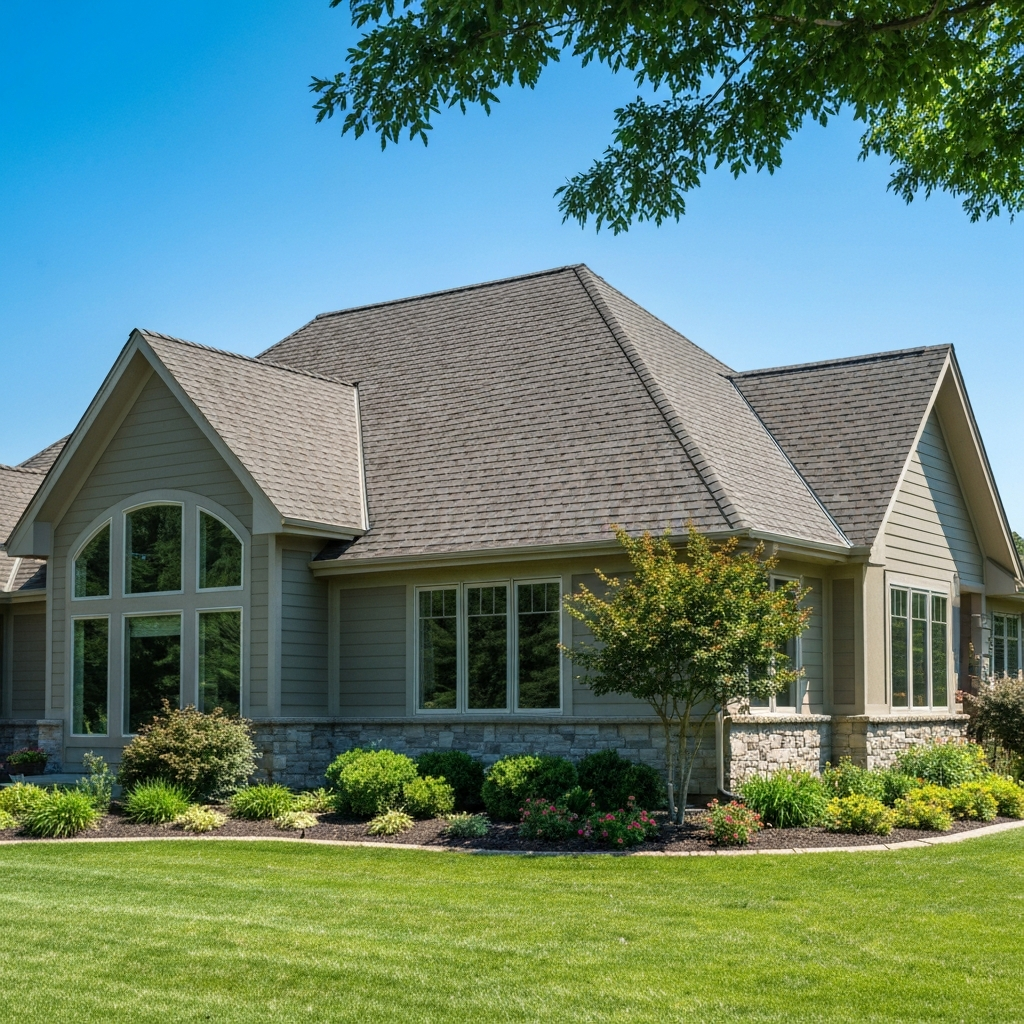
The True Lifespan of a Tennessee Roof
Asphalt shingles are the most popular roofing material in the United States, and for good reason. They offer an excellent balance of affordability, durability, and aesthetic appeal. But when you are investing thousands of dollars into a new roof replacement in Franklin, Brentwood, or Bellevue, you need to know exactly what kind of return on investment you are getting.
The short answer? It depends entirely on the type of shingle and the climate.
While a manufacturer's brochure might boast "30-Year" or "Lifetime" warranties, the reality of Middle Tennessee's climate paints a different picture. High humidity, intense summer heat, and severe spring thunderstorms all take a toll on roofing materials. At Worth Roofing Company, we believe in giving homeowners the honest, unvarnished truth about how long their roof will actually last. We want you to be fully prepared and educated about your investment.
Tennessee Roofing Facts & Statistics
- Average Summer Humidity: Over 70%, accelerating algae and moss growth on shaded roofs.
- Severe Weather Days: According to the National Weather Service, Tennessee averages 40-50 thunderstorm days per year, bringing high winds that test shingle adhesion.
- UV Degradation: According to major roofing manufacturers like GAF, extreme summer temperatures can heat a poorly ventilated attic to 150°F, baking shingles from the inside out and reducing lifespan by up to 30%.
The Realistic Lifespan Breakdown
- Standard 3-Tab Shingles: 12 to 15 Years
- Standard Architectural Shingles: 20 to 25 Years
- Premium/Luxury Architectural Shingles: 25 to 30+ Years
3-Tab vs. Architectural Shingles: What's the Difference?
When discussing asphalt shingles, you are generally choosing between two primary categories. The difference between the two drastically affects both the lifespan and the wind resistance of your roof. According to the Asphalt Roofing Manufacturers Association (ARMA), understanding these differences is crucial for homeowners looking to maximize their investment.
3-Tab Shingles (The Economy Option)
Three-tab shingles are the older, traditional style of asphalt roofing. They are made from a single layer of fiberglass coated in asphalt and granules. They are cut to appear as three separate tabs, laying completely flat against the roof deck.
- Pros: They are the most affordable roofing material available, making them popular for budget-conscious projects, quick flips, or rental properties.
- Cons: They are incredibly thin. Because they lack weight and structural rigidity, they are highly susceptible to wind uplift. Most 3-tab shingles are only rated for 60 mph winds. In Tennessee, where severe thunderstorm gusts frequently exceed 60 mph, these shingles are prone to tearing off and causing roof leaks. Furthermore, they do not hide imperfections in the roof deck, meaning any slight wave or dip in the wood will be visible from the street.
- True Lifespan: According to industry data, you can expect a 3-tab roof to fail and require replacement around the 12 to 15-year mark, especially in areas with high UV exposure and severe weather.
Architectural Shingles (The Industry Standard)
Also known as dimensional or laminate shingles, architectural shingles are manufactured with two or more layers of asphalt laminated together. This creates a thicker, heavier shingle with a contoured, three-dimensional look that mimics natural wood shake or slate. Major manufacturers like Owens Corning and CertainTeed have made these the standard for modern residential roofing.
- Pros: Because of their weight and continuous sealant strips, architectural shingles boast wind ratings of 110 mph up to 130 mph. They are vastly superior at resisting hail impacts and hide imperfections in the roof deck much better than 3-tabs. They also offer a much higher curb appeal, which can increase the resale value of your home according to real estate industry reports.
- Cons: They carry a higher upfront material cost (typically 15% to 25% more than 3-tabs). However, their extended lifespan usually makes them more cost-effective over the long run.
- True Lifespan: In Middle Tennessee, a properly ventilated architectural shingle roof will reliably protect your home for 20 to 25 years.
Interactive Shingle Studio
Visualize premium architectural shingle colors to find the perfect match for your home's exterior.
Select Color
Charcoal
A classic, deep black-gray that works with almost any home color and provides a striking contrast.
Upload Your Home & Preview Shingle Colors
Upload a photo of your Fairview home, drag the overlay to cover your roof, and preview how different shingle colors look.
Upload a photo of your home
Drag and drop or click to browse — JPG, PNG supported
Your photo stays private in your browser and is never uploaded.
The Anatomy of an Asphalt Shingle
To understand why shingles fail, you must understand how they are built. According to the Asphalt Roofing Manufacturers Association (ARMA), a modern architectural shingle consists of four primary components:
- The Fiberglass Mat: This is the skeleton of the shingle. It provides the structural integrity and tear strength needed to keep the shingle intact during high winds.
- The Asphalt Core: The fiberglass mat is coated in a thick layer of weather-grade asphalt. This is the waterproofing agent that keeps rain out of your home. Over time, UV rays dry out the oils in this asphalt, causing it to become brittle.
- Ceramic Granules: These crushed stone granules are embedded into the top of the asphalt. They serve two critical purposes: they provide the aesthetic color of the roof, and more importantly, they act as sunscreen, reflecting UV rays away from the vulnerable asphalt core.
- Thermal Sealant: A strip of factory-applied adhesive runs across the shingle. When heated by the sun, this sealant bonds the shingles together, preventing wind uplift.
4 Factors That Shorten Your Roof's Lifespan
Even if you install top-of-the-line materials from GAF or Owens Corning, certain environmental and structural factors can drastically reduce how long those shingles last.
1. Poor Attic Ventilation
This is the number one killer of asphalt shingles. According to GAF, North America's largest roofing manufacturer, proper attic ventilation is critical. If your attic does not have proper intake (soffit vents) and exhaust (ridge vents or box vents), the temperature inside the attic can easily exceed 150 degrees during a Tennessee summer. This extreme heat literally bakes the shingles from the inside out, causing the asphalt to dry up, blister, and crack years before it should. Proper ventilation is required by building codes and is necessary to keep your manufacturer warranty intact.
2. Severe Weather Events & Thermal Shock
A shingle is designed to slowly lose its protective ceramic granules over 20 years. However, a single severe hailstorm can strip a decade's worth of granules off the roof in 10 minutes. Once the black asphalt is exposed directly to UV rays, the shingle will rapidly degrade. Furthermore, Middle Tennessee experiences "thermal shock"—rapid temperature drops during spring and fall thunderstorms. According to the National Weather Service, a roof can be 140°F in the sun and suddenly drop to 70°F when a rainstorm hits. This rapid contraction stresses the fiberglass matting and causes micro-cracking over time. If you suspect your roof has been through a storm, read our Hail Damage Guide to learn what to look for.
3. Tree Coverage and Debris
Homes heavily shaded by trees face a different set of challenges. While shade protects the roof from UV rays, falling leaves and pine needles trap moisture against the shingles. This constant dampness promotes the growth of moss and algae, which can root into the shingles and separate the granules from the asphalt base. Additionally, overhanging branches can physically scrape the granules off the shingles during high winds. Regular maintenance to clear valleys and gutters is essential.
4. Improper Installation
A premium shingle installed poorly is a bad roof. If the roofing crew "high-nails" the shingles (placing the nails above the reinforced nailing strip), the shingles will easily tear off in high winds because they aren't properly secured to the deck. If they fail to install proper starter shingles along the eaves or ice and water shield in the valleys, the roof will leak regardless of the shingle's quality. Always hire a certified, local contractor like Worth Roofing Company who strictly follows manufacturer installation guidelines.
How to Maximize the Lifespan of Your Asphalt Shingles
While you cannot control the weather, there are several proactive steps you can take to ensure your roof reaches its maximum potential lifespan. According to the National Roofing Contractors Association (NRCA), regular maintenance is the key to longevity.
- Schedule Annual Inspections: Have a professional roofer inspect your roof at least once a year, preferably in the fall before winter weather sets in. They can identify minor issues like cracked pipe boots or loose flashing before they turn into major leaks that rot the underlying wood.
- Keep Gutters and Valleys Clean: When leaves and debris accumulate in your gutters and roof valleys, they trap moisture against the shingles. This accelerates granule loss and promotes rot. Clean your gutters at least twice a year.
- Trim Overhanging Branches: Keep tree branches trimmed at least 10 feet away from your roof. This prevents physical abrasion during windstorms, reduces the amount of debris falling onto the roof, and allows more sunlight to hit the roof, which helps dry out moisture and prevent algae growth.
- Ensure Proper Attic Insulation and Ventilation: Check your attic to ensure soffit vents are not blocked by insulation. Proper airflow is essential for keeping the roof deck cool in the summer and preventing condensation in the winter.
- Address Moss and Algae Promptly: If you notice dark streaks or green moss growing on your roof, do not use a high-pressure washer to clean it. Pressure washing will strip the granules right off the shingles. Instead, hire a professional soft-washing service that uses specialized, low-pressure chemical treatments to safely remove the growth without damaging the roof.
Understanding Manufacturer Warranties
It is crucial to understand what your shingle warranty actually covers. According to major manufacturers like CertainTeed and GAF, standard material warranties cover manufacturing defects, not weather-related wear and tear or improper installation.
If your 30-year shingles fail after 15 years because they were installed over an unventilated attic or because they were damaged by hail, the manufacturer will likely deny the warranty claim. This is why hiring a reputable, certified contractor who installs the roof according to exact specifications is just as important as the shingles you choose. Many manufacturers also require the installation of their specific underlayments, starter shingles, and ridge caps to qualify for extended or "system" warranties.
Curious About the Age of Your Roof?
If you aren't sure how old your current roof is, or if you are seeing signs of granule loss and curling, it's time for a professional assessment. Worth Roofing Company provides honest, free inspections without the high-pressure sales tactics.
Request a Free Roof Health CheckSigns Your Asphalt Shingles Have Failed
You don't need to be a roofing expert to spot a failing roof. Look for these warning signs from the ground or by safely observing from a ladder. If you see any of these, it is time to start planning for a replacement.
- Curling or Cupping: The edges of the shingles are turning upward, or the centers are sinking in. This indicates the asphalt has dried out and shrunk. They can no longer lay flat to block wind and water.
- Bald Spots: You can see patches of dark black asphalt where the colored granules have completely worn away or washed off. This means the shingle has lost its UV protection.
- Cracking: Deep horizontal or vertical fissures across the surface of the shingle, caused by extreme temperature fluctuations over many years. Water will easily seep through these cracks.
- Granules in the Gutters: While some granule loss is normal on a brand new roof, heavy accumulation of sand-like granules in your gutters on an older roof means the protective layer is actively failing.

Reviewed & Written By
Terry
Owner, Worth Roofing Company
Terry brings over four decades of hands-on roofing expertise to Middle Tennessee homeowners. As the owner of Worth Roofing Company, Terry is passionate about educating the community on proper roof maintenance, storm damage mitigation, and navigating the insurance claims process to ensure every home is protected. He has personally overseen thousands of residential roof repairs, replacements, and emergency responses across Franklin, Fairview, Kingston Springs, Bellevue, Burns, Dickson, and Pegram.
Frequently Asked Questions
Related Roofing Resources
Sources & References
This article is supported by the following authoritative sources. We encourage you to verify information directly from these references.
- Owens Corning Roofing — Shingle Products & Warranty Detailsowenscorning.com